Gassa Camp
Gassa Camp offers one of the most diverse fly-fishing experiences in Africa, enriched by wildlife, birdwatching, a boutique seasonal camp, and very small guest groups.
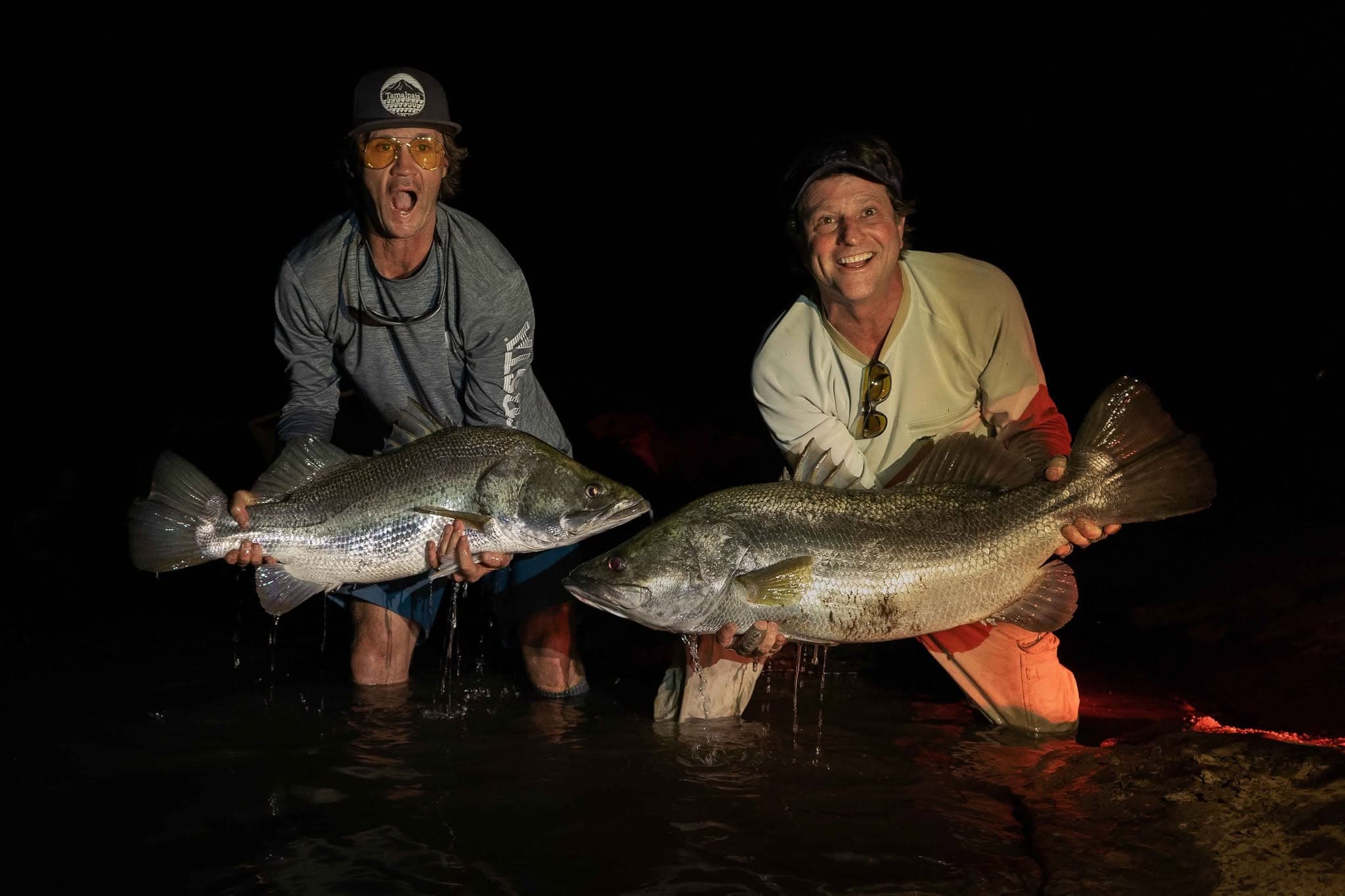
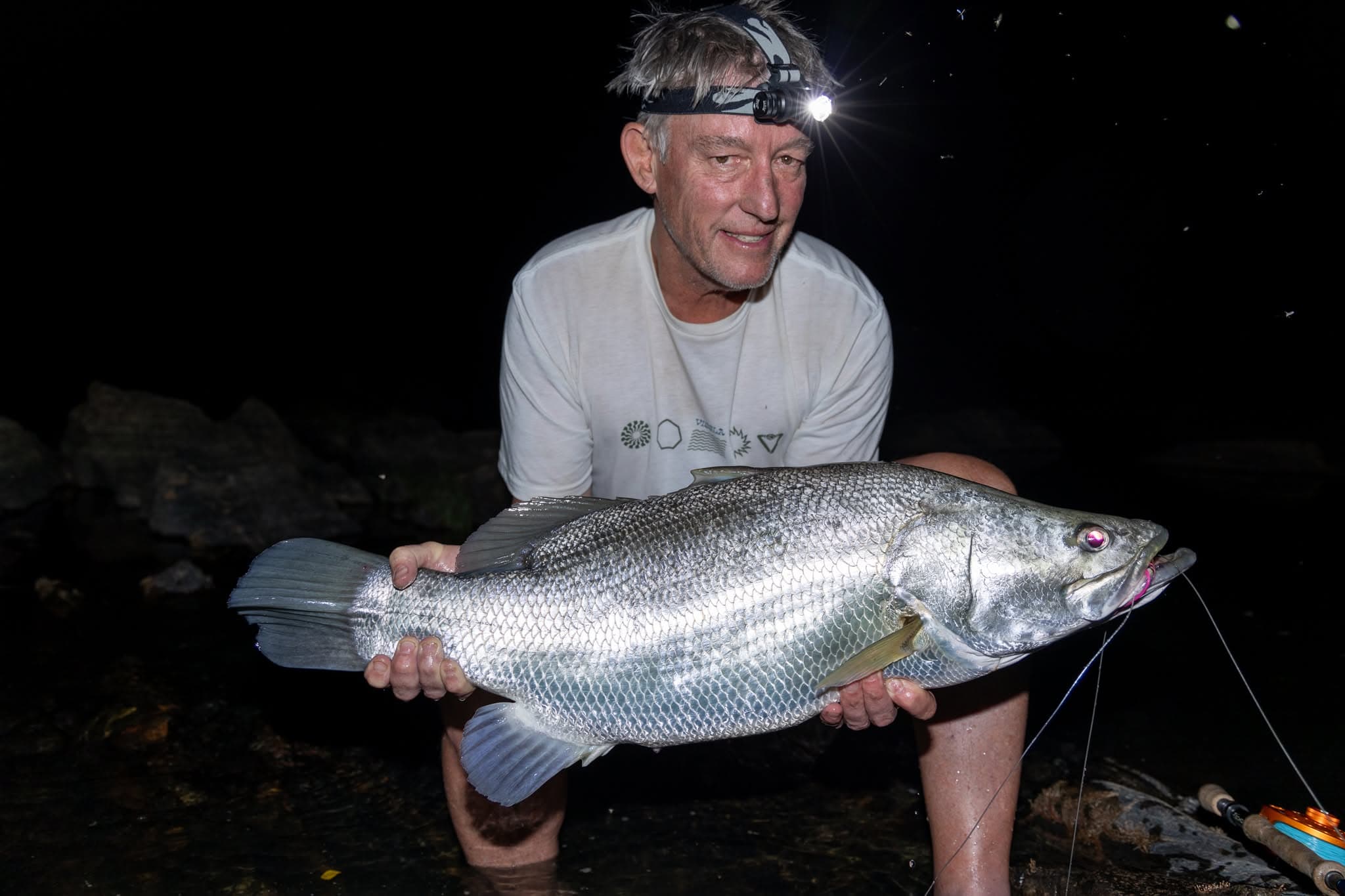
For nearly a decade, they searched for an area that could offer world-class Nile perch fishing in an environment that remained as pristine as possible. In January 2018, they embarked on the first of two exploratory expeditions to the Faro River region in Cameroon, considered one of the last ecologically well-preserved areas of the West African savanna.
This exploration led to a partnership with Dr. Koen Maes, the key manager of the concession area; together, they secured access to a stretch of the Faro River, approximately 60 kilometers long, bordering Faro National Park. It is precisely this unique and remote location that enables a world-class fishing experience, designed primarily for adventurous anglers seeking something truly different.
The area combines exceptionally well-preserved river and terrestrial ecosystems, representing one of the world's last relatively untouched examples of the Sahel-Sudan ecosystem. Here, nature still dictates the pace, and the river flows through a landscape where human impact remains minimal.
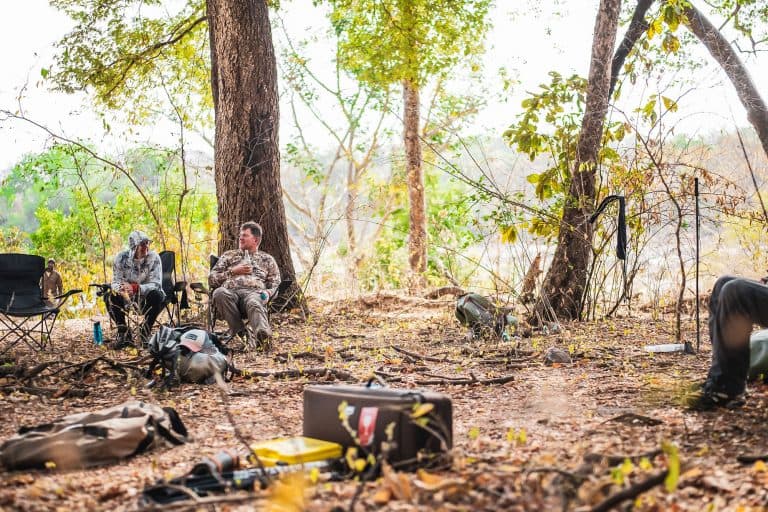
What began as a quest for premier Nile perch fishing eventually evolved into something much greater. Today, Gassa Camp offers one of the most diverse and authentic fly-fishing experiences on the African continent. Beyond the exceptional fishing, the experience encompasses pristine wilderness teeming with wildlife, outstanding birdwatching opportunities, and an authentic encounter with life in the African wild.
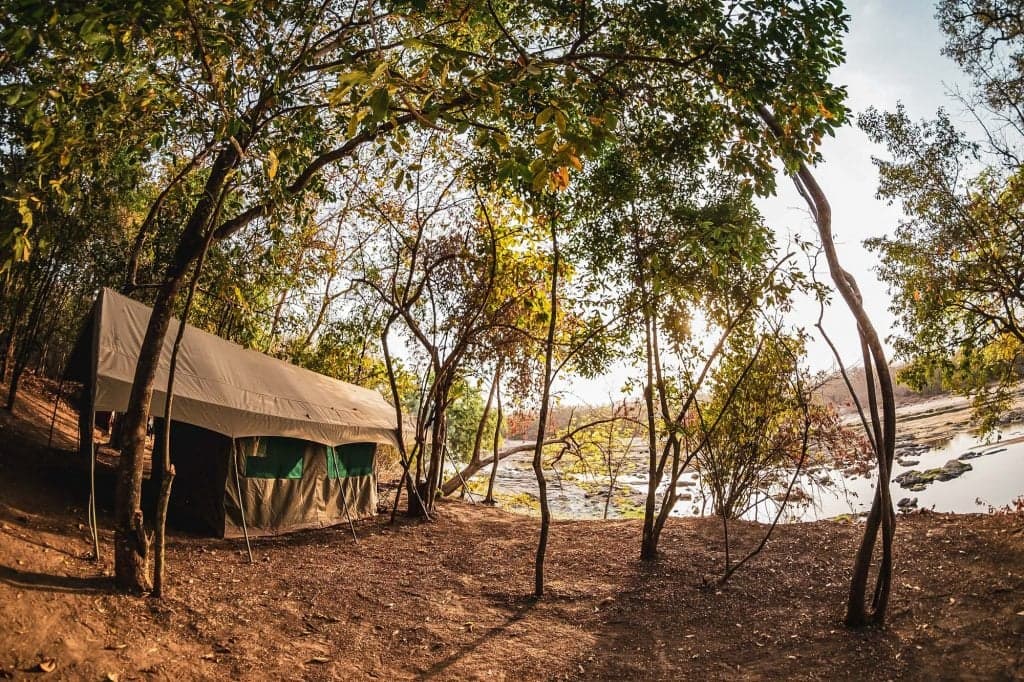
Guests stay in a thoughtfully designed seasonal tented camp that offers comfort while preserving the atmosphere of a genuine wilderness expedition. Particular emphasis is placed on keeping the number of guests low; limited group sizes ensure a more personal experience, greater tranquility, and a sense of exclusivity.
Gassa Camp is thus far more than just a destination for Nile perch fishing. It is a comprehensive African adventure where world-class fly fishing, wilderness, abundant wildlife, and the exploration of one of West Africa’s last great unspoiled regions combine to create an experience unlike any other fishing expedition.
Fishing seasons
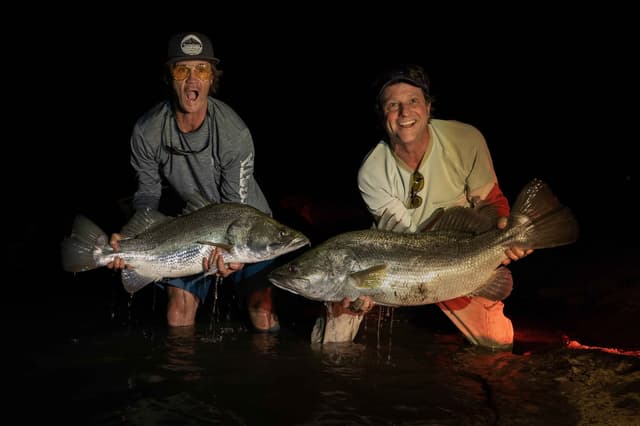
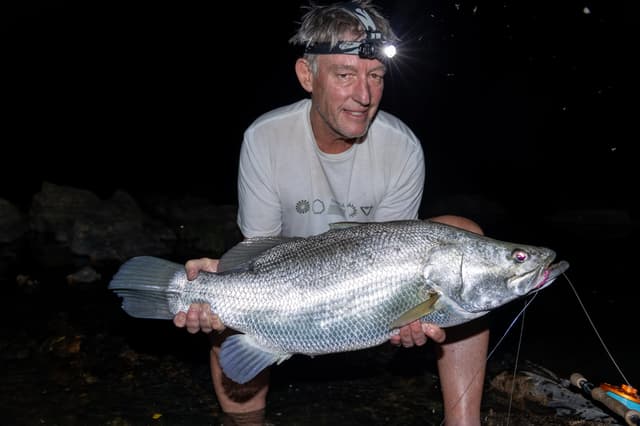
Nile Perch
Season: January - April
Peak: February - March
Weight range: 4 - 100 kg
Average weight: 22 kg
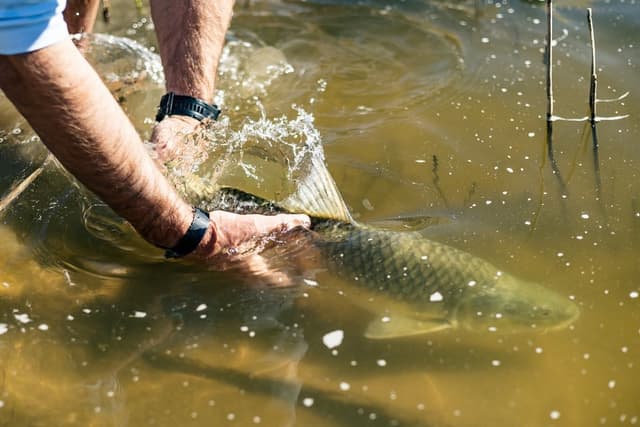
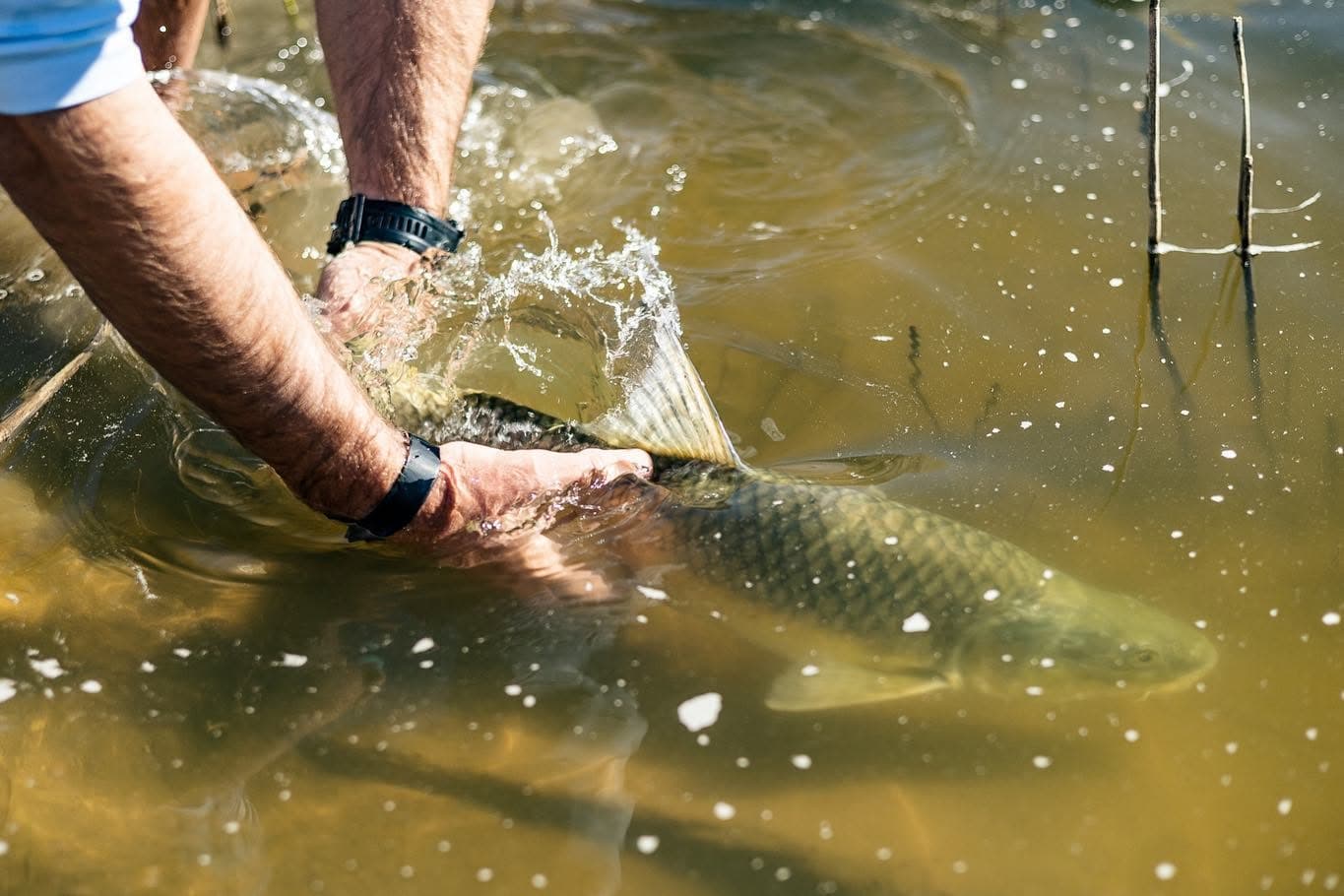
Yellowfish
Season: January - April
Peak: February - March
Weight range: 0,3 - 5 kg
Average weight: 1,5 kg
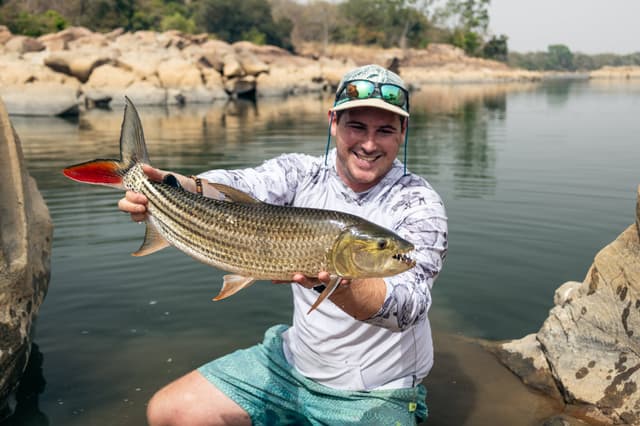
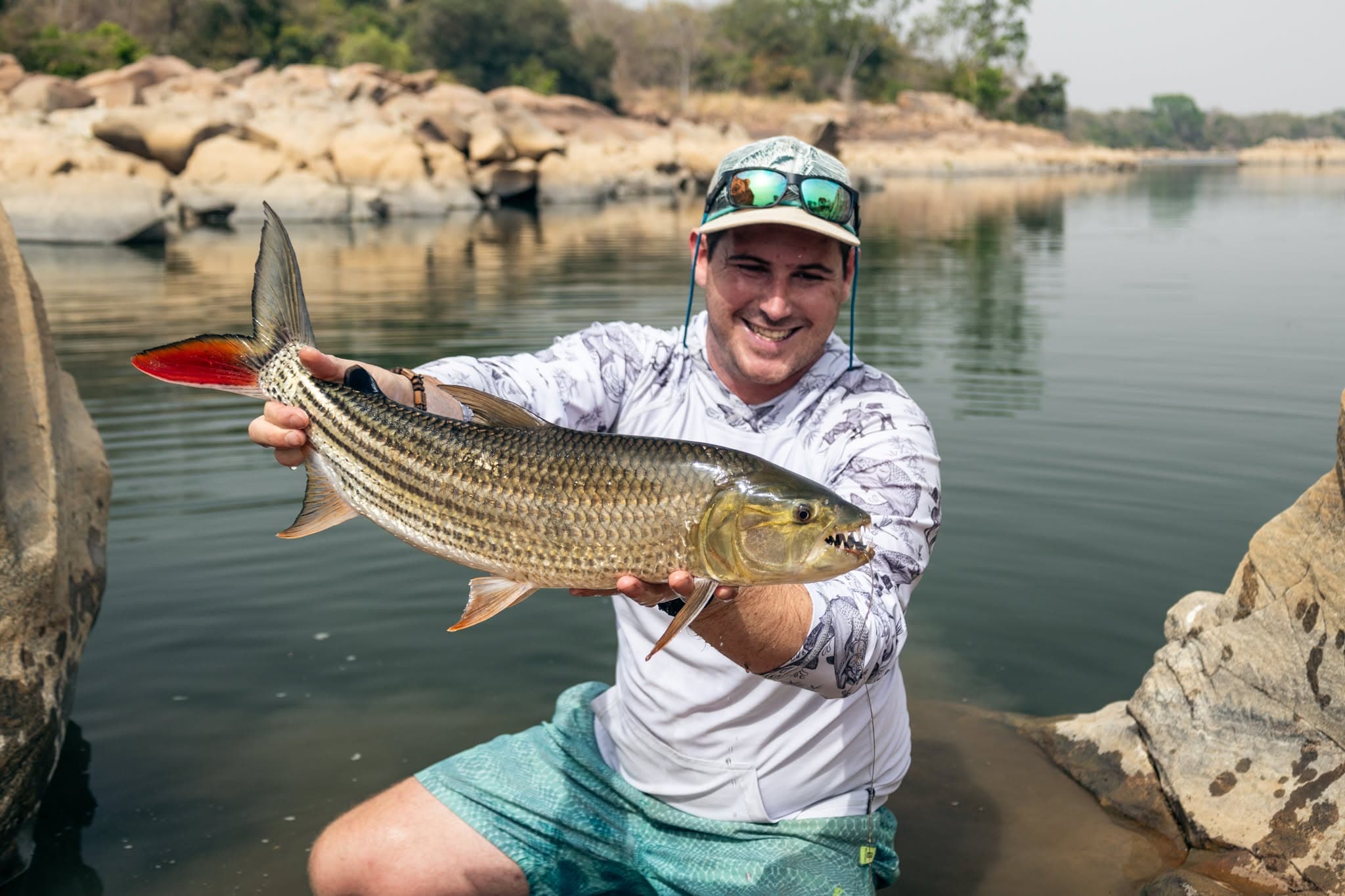
Tigerfish
Season: January - April
Peak: February - March
Weight range: 0,3 - 11 kg
Average weight: 3 kg
Package Details
What's included
- Flight tickets
- Fishing permits
- Accommodation
- Professional guide
- All meals
- Non-alcoholic beverages
- Single room
What's not included
- Gratuities
- Alcohol
- Visa (if required)
- Insurance
- Transfer to/from the international airport
- Fishing equipment
Optional extras
- Flight upgrade
- Additional baggage
- Extra nights
- Additional activities
- Fishing equipment rental (upon request)
Itinerary
1. day
- International flight to Douala
- Domestic flight from Douala to Garoua
- Upon arrival at the airport, you will be met by a representative who will take you to the hotel.
2. day
- In the morning, a colleague will meet you in front of the hotel and take you to Gassa Camp.
- Arrival at Gassa Camp.
3. - 8. day
- Fishing (Gassa Camp)
9. day
- Drive from Gassa Camp to Garoua Airport
- Domestic flight from Garoua to Douala
- Drive from the airport to the hotel (not included)
10. day
- Transfer from the hotel to Douala Airport (not included)
- International flight home
Location
Dates, Prices & Availability
| Start date | Price per person | Trip length (number of days) | |
|---|---|---|---|
| 28/07/2026 | 5900 € | 9 |
The calendar only shows part of the story. Because availability depends on everything from local tides to guide rotations. Contact us for the latest updates and professional guidance on the best windows for your trip.
Fishing on the Faro River takes place across two camps situated on adjacent private concession areas. By operating in coordination, they jointly oversee and manage over 100 kilometers of the river's course. To minimize pressure on specific sections of the river, fishing is organized using a rotating zone system. Each camp has four fishing beats that rotate throughout the season; this ensures that individual river sections have ample time to rest, as fishing never occurs simultaneously in the zones of both camps.
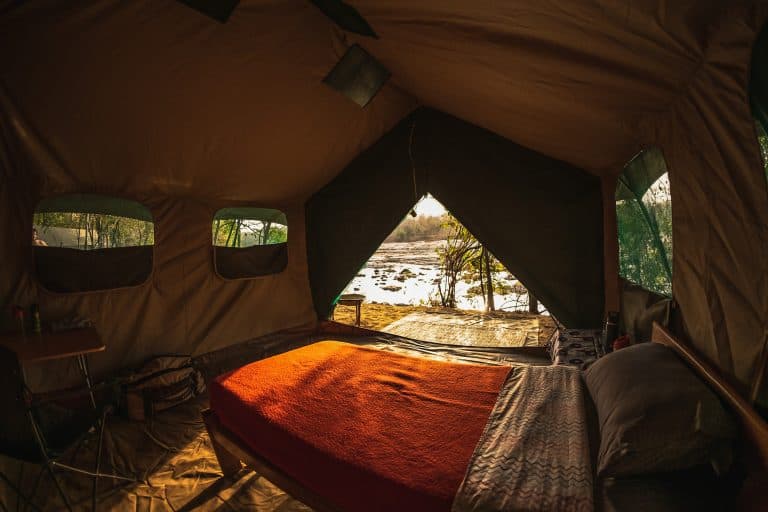
Of the two accommodations, the lower camp is smaller and more rustic. Designed for a group of four anglers, it is serviced by two guides and additional camp staff. Because it is set up anew each season, it retains the character of a temporary safari camp, offering guests a more direct connection with the African wilderness.
Accommodation is provided in separate safari tents, with each guest enjoying a private room featuring a double bed and a mosquito net. Facilities include a private bathroom with a washbasin and toilet, as well as an open-air cold-water shower. The central area of the camp is dedicated to communal meals and socializing, comprising a dining area, a small lounge, and a library. Its immediate proximity to the river is a key advantage, as the fishing zones are located just steps away from the accommodation. Furthermore, the location offers beautiful views of the Faro River and the surrounding landscape.
The upper camp has a distinct character, owing to its much longer history. It was established back in the 1960s in collaboration with local nature conservation and hunting organizations. Today, the camp retains a decidedly rustic feel while being well-appointed to ensure a comfortable stay for guests.
It is located in northern Cameroon, right next to Faro National Park. Situated amidst mature forest on slightly elevated riverbank terrain, it offers views of a wide, sandy stretch of the river. The camp’s surroundings are peaceful and immersed in the characteristic African landscape. Guests stay in spacious structures and traditional round huts built of brick and mortar. All accommodations feature private bathrooms, with interiors enhanced by locally made textiles and other elements typical of the region.
Communal areas are provided for socializing, including a dining room, a lounge, and a terrace overlooking the river. Guests can also spend their evenings by the fire pit, which further enhances the camp's relaxed, traditional atmosphere.
Gallery